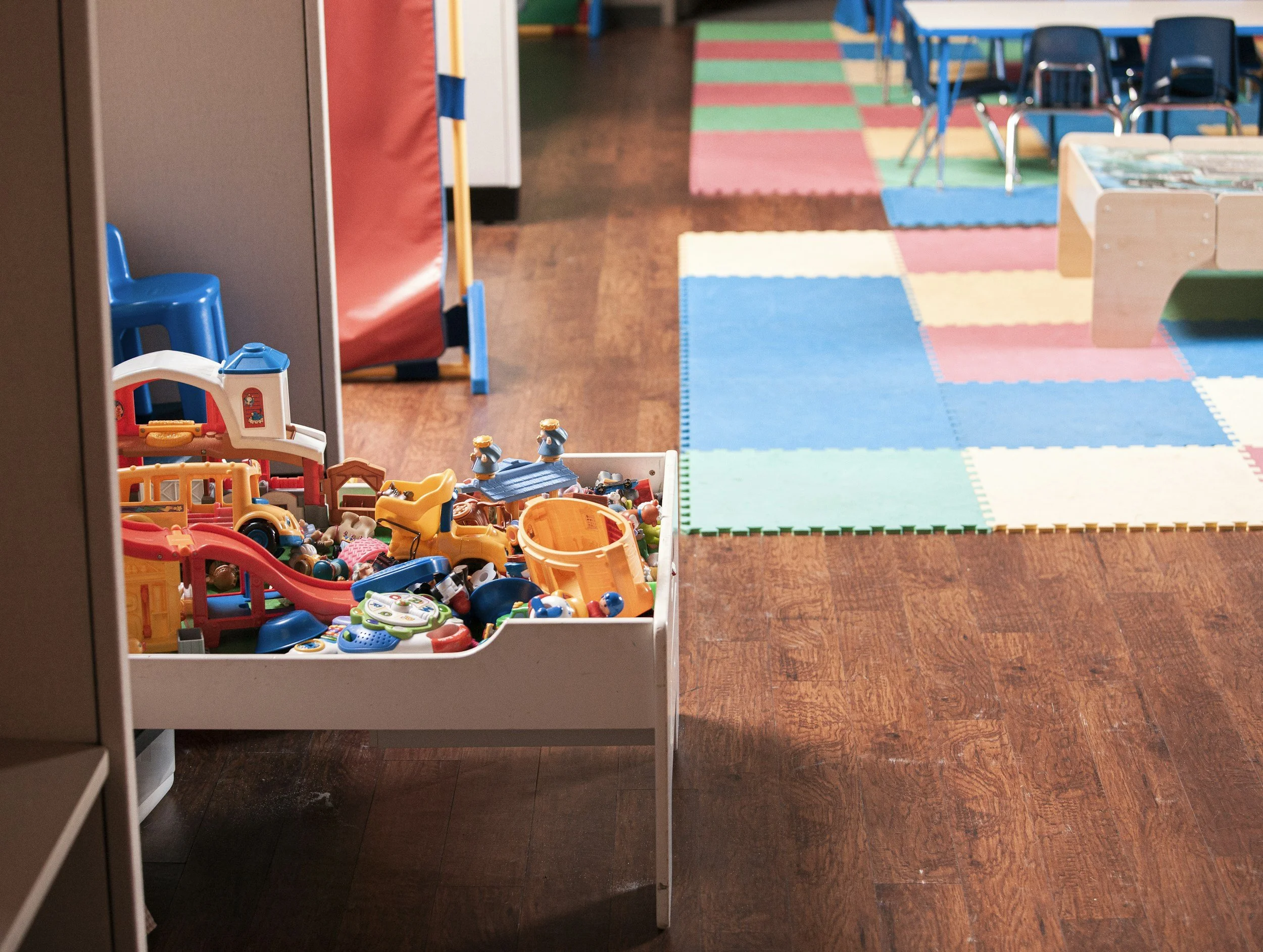
Prices starting at £450 for up to 20 traineesSandtray Play Training for Schools
Supporting emotional regulation, communication and storytelling in primary schools.
What to Expect❋ Practical Strategies for SchoolsLearn simple, effective ways to introduce sandtray play within the school day. The training focuses on approaches that can be used with individual pupils or small groups using accessible materials.
❋ Experiential LearningStaff will experience sandtray play themselves through guided activities. This helps build confidence in facilitating sandtray sessions and understanding how children use play to express thoughts and feelings.
❋ Understanding Children’s PlayExplore common themes that emerge in children’s play; such as nurturing, mastery, safety, power and problem solving. Helping staff recognise what children may be communicating through their sandtray stories.
❋ Supporting Emotional RegulationDiscover how sandtray play can support pupils with emotional regulation, communication and storytelling, particularly those with SEMH needs, anxiety or behavioural challenges.
What is Sandtray Play?
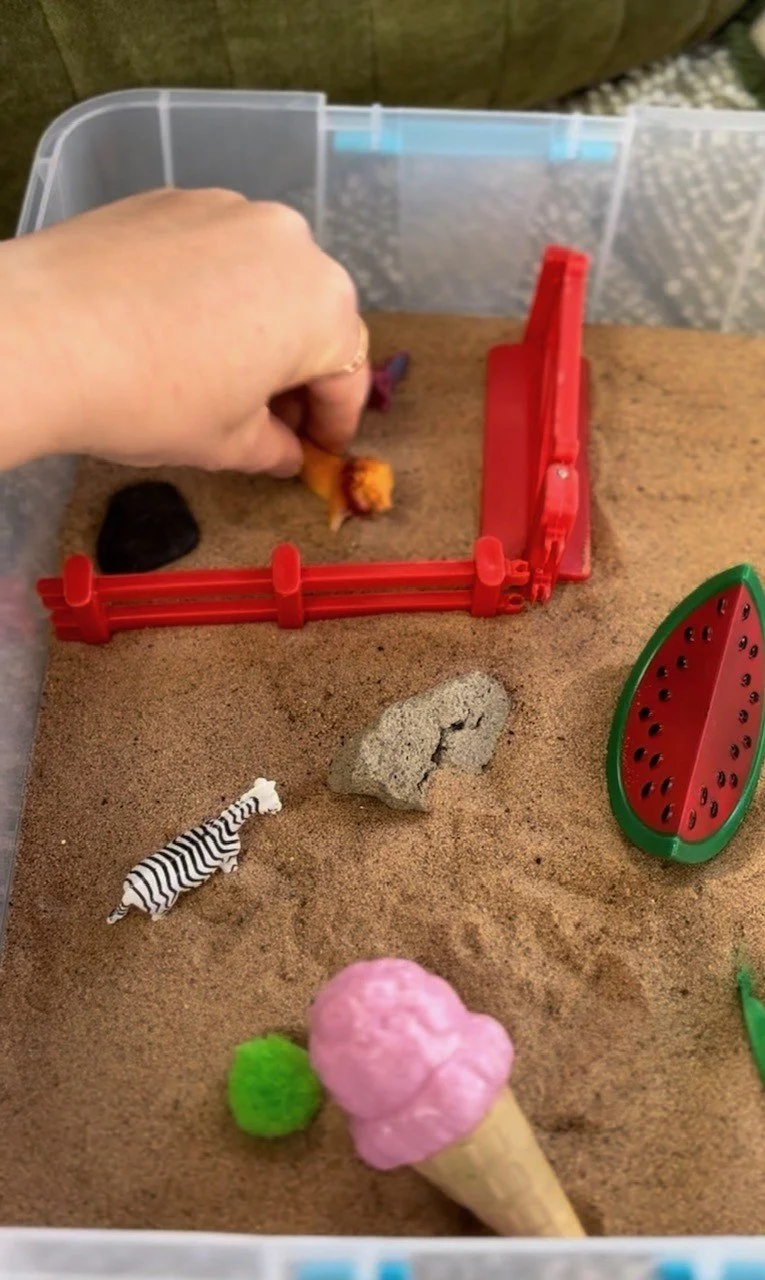
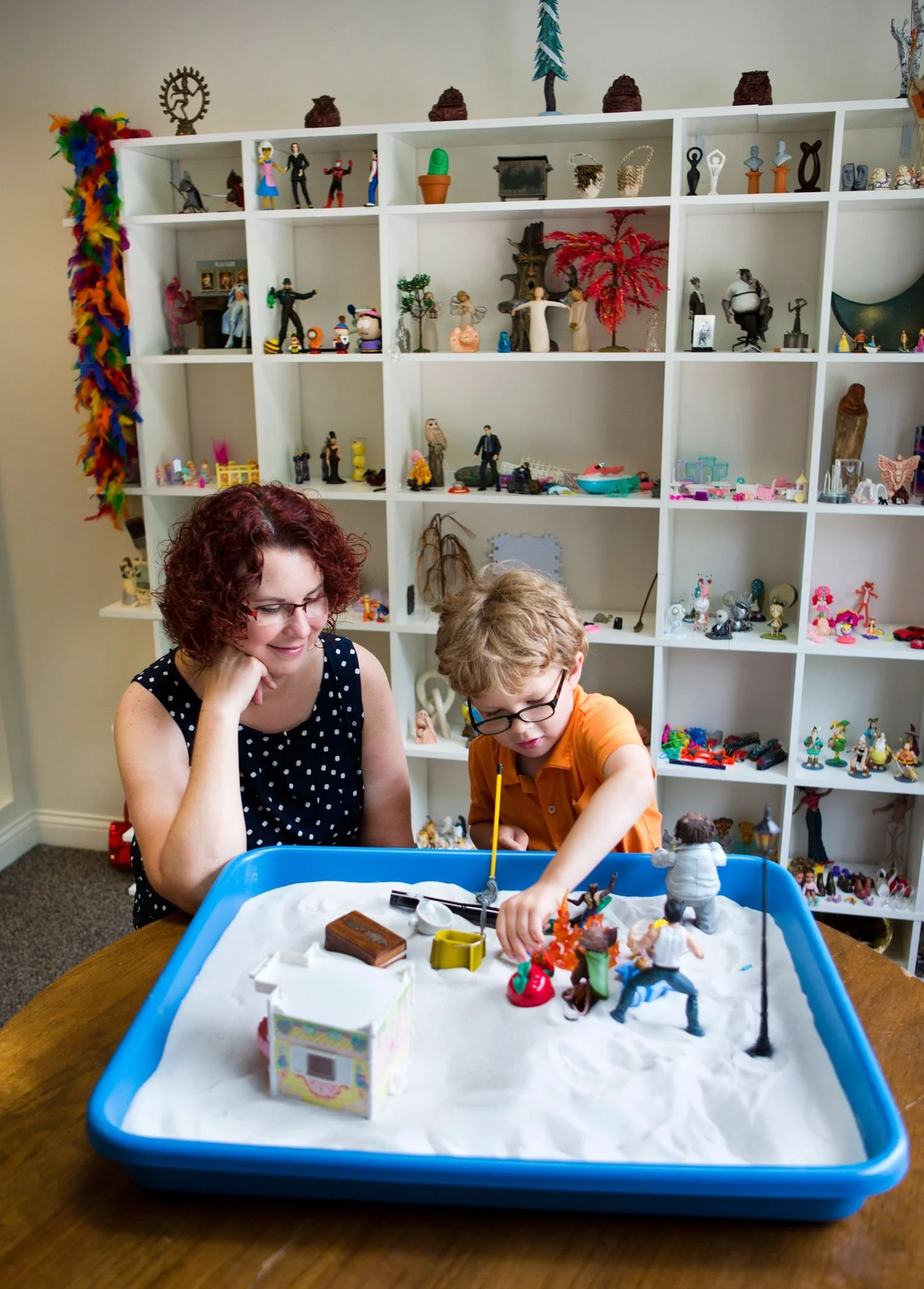
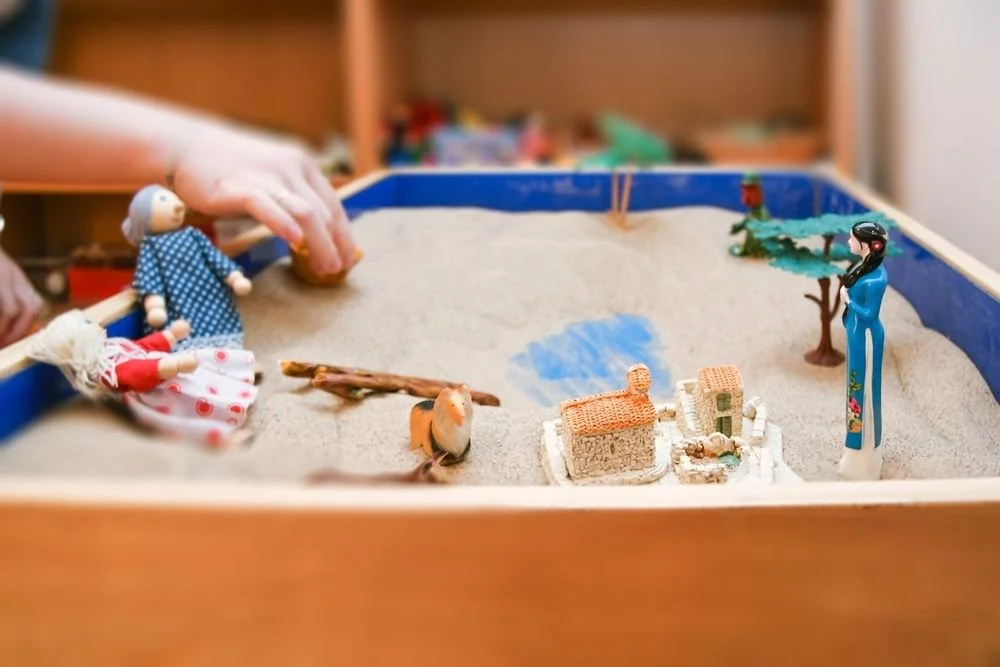
Sandtray play is a creative and sensory approach where children use sand and miniature figures to build scenes and tell stories.
Rather than needing to explain their thoughts or feelings directly, pupils can use the sand and objects to represent ideas, experiences and emotions symbolically. This can be especially helpful for children who find it difficult to talk about what they are feeling.
Through building and storytelling in the sand, children often begin to work through and make sense of their experiences. They may repeat themes, solve problems within their stories, or create scenes that reflect feelings they are trying to understand.
The tactile, sensory nature of sand can also help children feel calmer and more settled, creating a space where they can explore thoughts, emotions and experiences at their own pace.
In school settings, sandtray play can be used with individual pupils or small groups, supporting emotional wellbeing, communication and narrative development in an engaging and accessible way.
Foundations of the Approach
Early 1900s – H. G. Wells
Described children creating imaginative worlds with miniature figures in Floor Games, highlighting the importance of storytelling and symbolic play.
1920s–1930s – Margaret Lowenfeld
Developed the World Technique, allowing children to create worlds using sand and miniature objects to express their inner experiences.1950s – Dora Kalff
Expanded Lowenfeld’s work into Sandplay, recognising how symbolic play can support emotional processing and psychological development.Mid 20th Century – Sylvia Ashton-Warner
Emphasised the importance of children expressing inner emotional experiences through storytelling, imagery and creative expression.Late 20th Century – Garry Landreth
Developed child-centred play therapy, highlighting the value of symbolic play and the importance of the adult’s supportive role.Contemporary Educational Practice – Sheila Dorothy Smith
Demonstrated how sandtray storymaking can be used in schools to support children’s academic, social and emotional development.
This training draws on these foundations to provide practical and accessible strategies that school staff can use to support pupils’ emotional expression, communication and storytelling.
Sandtray play draws on a long history of work exploring how children use play, storytelling and symbolic expression to understand their experiences.
This training is informed by the work of several influential thinkers and practitioners in child development and play-based approaches, including:
How Sandtray Supports Pupils
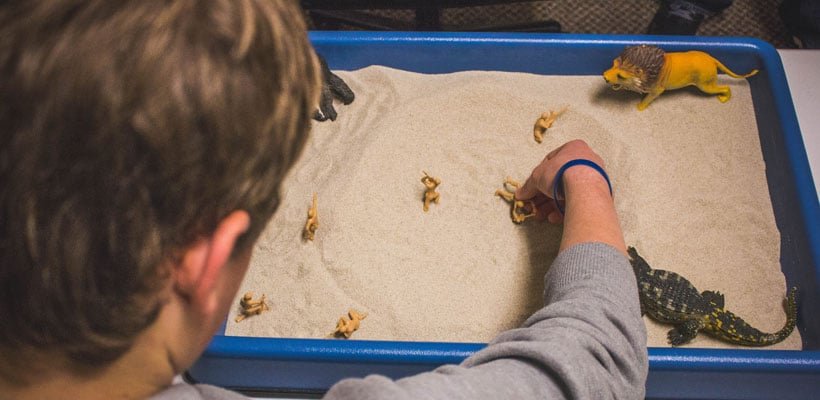
Sandtray play can support pupils to:
express thoughts, feelings and experiences safely
develop emotional awareness and regulation
explore ideas and experiences through storytelling
build narrative and language skills
gain confidence in sharing their thoughts
This approach can be particularly helpful for pupils who experience:
SEMH needs
anxiety or emotional overwhelm
communication difficulties
behavioural challenges linked to emotional needs
What Staff Will Learn
Participants will learn:
how sandtray play supports emotional expression and regulation
how storytelling through play can develop narrative and communication skills
how to introduce sandtray activities with individuals or small groups
practical facilitation skills for supporting pupils’ storytelling
how to observe themes and patterns in children’s play
guidance for setting up a simple sandtray space in school
The training includes experiential activities, allowing staff to experience sandtray play themselves and reflect on how it can be used with pupils.
Training Details
Half Day Training
4 hours – £450 Core training with practical, experiential exploration of sandtray play.
Full Day Training
6 hours – £750 Includes the full core training, with additional experiential practice and exploration of how sandtray can support narrative, storytelling, communication and literature skills, alongside children's emotional development.
Training includes up to 20 staff members.
Discounts are available for cluster bookings or multiple schools.
Training is delivered in person and can be adapted to suit the needs of your school or staff team.
Optional Sandtray Starter Pack
Schools can choose to add a Sandtray Starter Pack to their training booking so staff can begin using sandtray activities immediately.
Starter packs include:
sand tray and sand
miniature figures
natural materials for storytelling and creative play
bespoke guidance and recommendations for introducing sandtray in your school
Starter packs available from £195.

Who This Training Is For
This training is suitable for staff working with primary-aged pupils, including:
teachers
teaching assistants
SENCOs
pastoral staff
nurture group staff
wellbeing or SEMH support staff

About the Trainer
I’m Charlotte Harper, a person-centred counsellor working with adults, children and young people in both private practice and school settings. In my work with children, I regularly see how play becomes a powerful language for expressing thoughts and feelings that can be difficult to put into words.
Through this training, I support school staff to introduce sandtray approaches that help pupils explore emotions, build stories and develop communication in a safe and creative way.
When I deliver training, I aim to create a warm, reflective and experiential space where staff can explore the approach for themselves. My hope is that participants leave feeling confident, inspired and ready to introduce sandtray activities within their own school environment.
Book Your Training
If you would like to book training or discuss how sandtray play could support pupils in your school, please get in touch.
Please let me know your desired date for training, number of staff in attendance any other information you’d like me to know.